
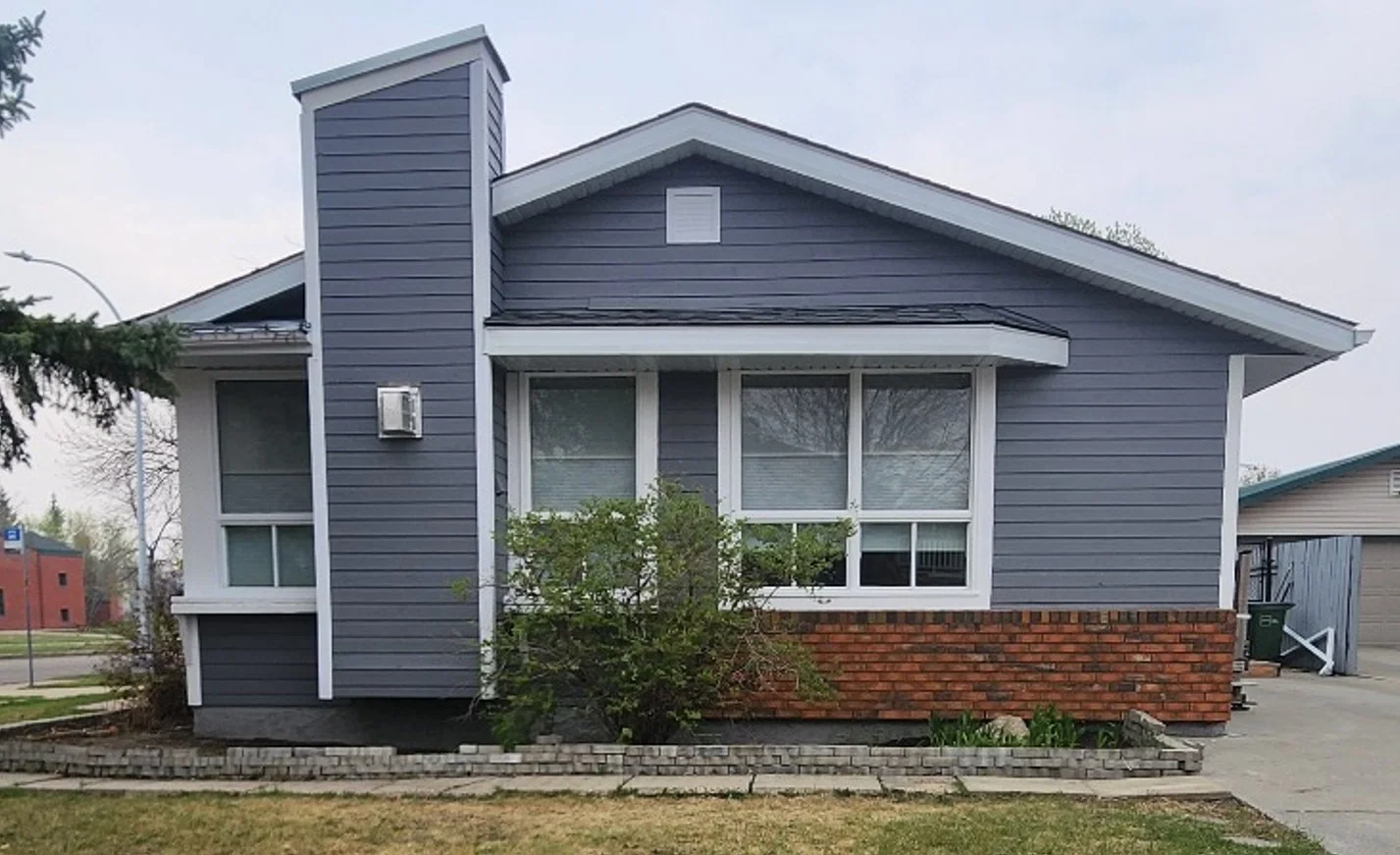
Exterior painting is one of the most effective ways to improve your home’s curb appeal while protecting its outside surfaces from weather-related wear. In Edmonton, where homes experience freezing winters, warm summers, moisture, and changing temperatures, proper surface preparation and the right exterior paint are essential for a durable finish.
Whether you need to repaint siding, refresh stucco, or update your doors and trim, understanding the exterior painting process can help you make informed decisions and choose the right contractor.
What Is Exterior Painting?
Exterior painting involves applying protective coatings to the outside surfaces of a home or building. Depending on the property, the project may include:
- Wood, vinyl, aluminum, or other types of siding
- Stucco and masonry surfaces
- Exterior doors and window trim
- Garage doors
- Decks and fences
- Other suitable exterior surfaces
Exterior paint does more than improve appearance. When the correct coating is applied to a properly prepared surface, it can help protect against moisture, sunlight, fading, and everyday wear.
For Edmonton homeowners, selecting products suitable for local weather conditions is an important part of planning an exterior painting project.
What Is the Best Temperature for Exterior Painting?
Most exterior paints have a recommended application temperature range specified by the manufacturer. Some products perform well around 10°C to 30°C, while others allow application at lower temperatures.
Before painting, check the product label for its temperature requirements, including air temperature, surface temperature, humidity, and expected conditions during drying. Cold weather, direct sunlight, wind, and moisture can affect how paint dries and adheres.
In Edmonton, exterior painting is generally best scheduled during suitable weather conditions rather than simply choosing a particular month. The surface must be dry, and the forecast should allow enough time for the coating to cure according to the manufacturer’s instructions.
How Do You Choose the Right Exterior Paint?
The best exterior paint depends on the surface material, its condition, exposure to weather, and the finish you want. Using a product designed for the specific surface helps support proper adhesion and long-term performance.
Acrylic Latex Paint
Acrylic latex paint is commonly used on compatible exterior siding, wood, and trim. It offers good colour retention and flexibility, although the correct formulation depends on the material being painted.
Elastomeric Coatings
Elastomeric coatings are often used on suitable stucco and masonry surfaces. Some products can accommodate limited movement and help bridge certain small, non-structural cracks when applied according to the manufacturer’s specifications. They are not a substitute for repairing significant cracks or underlying moisture problems.
Oil-Based Paint
Some oil-based products are used for specific exterior applications, including certain trim and metal surfaces. Compatibility, drying time, and local product availability should be checked before choosing this type of coating.
Masonry Paint
Masonry coatings are formulated for compatible surfaces such as brick, concrete, and masonry. The surface must be properly prepared, and moisture conditions should be assessed before application.
For any exterior project, choose a coating specifically approved for the material rather than selecting paint based on price or colour alone.
What Exterior Painting Methods Do Professionals Use?
Professional exterior painters select their application method according to the surface, coating, and project requirements.
Brush and Roller
Brushes and rollers are useful for trim, doors, detailed areas, and many smaller surfaces. They provide control around edges and can help work paint into suitable textured surfaces.
Spray Painting
Spray application can provide efficient, even coverage across large siding areas and other compatible surfaces. Proper masking and protection are important to prevent overspray from reaching windows, landscaping, vehicles, and neighbouring properties.
Back-Rolling
Back-rolling involves using a roller after spraying where appropriate. On certain textured surfaces, it can help distribute the coating more evenly and improve contact with the surface. The correct technique depends on the paint manufacturer’s instructions and the material being painted.
What Are the Steps in a Professional Exterior Painting Project?
A quality exterior painting project involves preparation, product selection, careful application, and a final inspection.
1. Inspect the Exterior
The contractor assesses the surface for peeling paint, cracks, mildew, damaged siding, deteriorated caulking, and signs of wood rot or moisture intrusion. Any underlying problems should be addressed before painting.
2. Clean the Surface
Dirt, dust, mildew, and loose material must be removed using a suitable cleaning method. Pressure washing may be appropriate for some surfaces, but excessive pressure can damage wood, stucco, siding, or other materials. The surface must dry adequately before the next step.
3. Prepare and Repair
Loose paint is scraped away, and suitable surfaces may be sanded. Minor repairs, compatible caulking, and other preparation work are completed as needed. Damaged materials and significant cracks may require more extensive repairs before painting can begin.
4. Apply Primer Where Needed
Primer helps improve adhesion and provides a suitable base on compatible surfaces. Bare wood, exposed metal, repaired areas, and certain stains or surface conditions may require specific primers.
5. Apply the Exterior Paint
The contractor applies the appropriate number of coats according to the product instructions, surface condition, and colour change. Many projects require one or two finish coats, but the exact requirement varies.
6. Inspect the Finished Work
The final inspection checks coverage, edges, touch-ups, and cleanup. The contractor should also review any remaining maintenance recommendations with the homeowner.
Thorough preparation is essential to achieving a durable finish. Simply applying more paint will not solve problems caused by loose coatings, damaged materials, or unresolved moisture.
Why Hire Professional Exterior Painters in Edmonton?
Painting a home’s exterior can involve ladders, detailed preparation, specialized equipment, and products suited to different materials. Hiring an experienced contractor can help homeowners manage these requirements and reduce the risk of avoidable mistakes.
Potential benefits include:
- Careful inspection and surface preparation
- Appropriate paint and primer selection
- More consistent application and coverage
- Safe work practices for elevated areas
- Efficient project planning and cleanup
- Written estimates and clear project expectations
Before hiring a painting company, ask about insurance, relevant experience, references, the products included in the quote, and whether a workmanship warranty is offered. Confirm the warranty terms in writing rather than assuming every contractor provides the same coverage.
If you are comparing exterior painting services in Edmonton, look beyond the lowest price. A detailed quote should explain the preparation, repairs, coatings, number of coats, and areas included in the work.
What Other Exterior Painting Services May You Need?
Different exterior surfaces require different preparation methods and coatings. Depending on your property, you may also need:
- Garage door painting in Edmonton
- Stucco painting services
- Aluminum siding painting
- Brick painting and staining
- Deck and fence painting
Each service has its own preparation and product requirements. For example, wood decks need coatings suitable for foot traffic and outdoor exposure, while stucco may require a breathable, compatible coating. Choosing the correct system for each surface helps reduce premature peeling and other coating problems.
How Much Does Exterior Painting Cost in Edmonton?
The cost of exterior painting depends on the size of the property, the material being painted, the condition of the existing finish, and the amount of preparation required.
Factors that can affect the total price include:
- Home size and number of storeys
- Type and condition of siding or exterior surfaces
- Peeling paint, cracks, and repair requirements
- Accessibility and equipment needs
- Primer and paint selection
- Number of coats and colour changes
- Additional surfaces such as doors, trim, decks, or fences
Small homes may cost less to paint than larger two-storey properties, but surface condition and preparation can significantly change the final quote. Price ranges should therefore be treated as estimates rather than guaranteed rates.
For more information, read this guide to interior and exterior painting costs in Edmonton. For an accurate estimate, ask for a written quote based on your home’s size, condition, and specific requirements.
Frequently Asked Questions
How often should a house exterior be repainted?
The repainting interval depends on the surface material, previous coating, sun exposure, weather, and preparation quality. Inspect your home’s exterior regularly and consider repainting when the finish shows significant fading, peeling, or deterioration.
Can you paint a house exterior in cold weather?
Some exterior coatings allow application at lower temperatures, but others require warmer conditions. Always follow the manufacturer’s limits for air and surface temperature, humidity, and drying time. The surface must also be dry and suitable for painting.
Is exterior painting worth the investment?
Exterior painting can refresh a home’s appearance and help protect compatible surfaces from weather-related wear. Its value depends on the property’s condition, the quality of preparation, and whether the correct coating is used.
Should I paint or repair damaged siding and stucco first?
Repair damaged areas and investigate moisture problems before painting. Paint can improve the appearance of a sound surface, but it cannot replace necessary structural repairs or resolve an underlying water issue.
How can I get an exterior painting estimate in Edmonton?
Prepare details about your home, the surfaces you want painted, and any visible damage. Contact a local painting contractor to arrange an assessment and request a written estimate covering preparation, materials, coats, repairs, and cleanup.
Contact Explorer Paint for Exterior Painting in Edmonton
Planning to refresh your home’s exterior? Explorer Paint provides painting services in Edmonton, AB. Discuss your project requirements, ask about suitable coatings, and request an estimate based on your property’s condition and painting needs.
- Business: Explorer Paint
- Location: 9903 169 Ave NW, Edmonton, AB T5X 5A7
- Phone: +1 (780) 699-7808
- Email: info@explorerpaint.ca
- Contact: Request information about exterior painting services
A well-planned exterior painting project starts with the right preparation, suitable materials, and realistic expectations. By comparing detailed quotes and choosing a qualified contractor, Edmonton homeowners can make a more informed decision about protecting and refreshing their property.
