
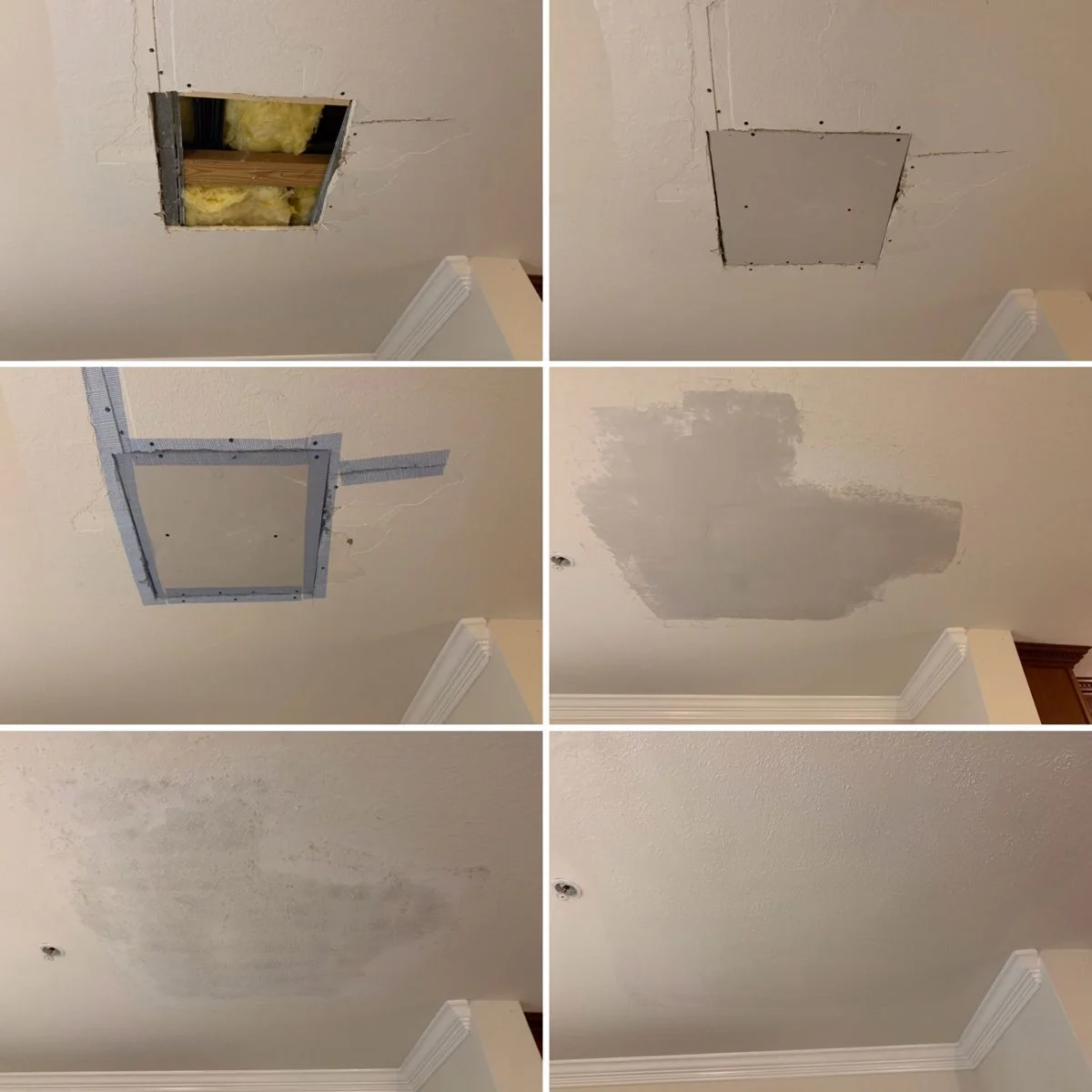
Damaged drywall does not always require replacing an entire wall or ceiling. Small holes, cracks, dents, nail pops, and localized damage can often be repaired with the right materials and techniques. For homeowners in Edmonton, professional drywall repair helps restore damaged surfaces and prepares them for a smooth, consistent paint finish.
The cost of drywall repair depends on the size of the damaged area, the type of repair required, the condition of the surrounding surface, and whether painting or texture matching is needed. Understanding these factors can help you plan your project and choose the right solution.
Explorer Paint provides drywall repair and finishing services in Edmonton, AB, helping homeowners prepare walls and ceilings for painting and interior improvements.
How Much Does Drywall Repair Cost in Edmonton?
Drywall repair costs vary depending on the extent of the damage and the work required. Filling a few nail holes is usually a simpler job than repairing a large hole, replacing damaged ceiling drywall, or correcting damage caused by moisture.
Common factors that affect the price include:
- Size and severity of the damage
- Number of cracks, holes, or dents
- Whether the damage affects a wall or ceiling
- Type and amount of drywall material required
- Condition of the surrounding surface
- Damage to corner beads or trim
- Number of finishing and sanding stages
- Texture matching requirements
- Whether primer and painting are included
- Accessibility of the repair area
For an accurate estimate, have the damaged area assessed by a professional. A detailed quote should explain the repair work, finishing requirements, and whether painting is included.
What Are the Most Common Drywall Problems in Edmonton Homes?
Drywall can become damaged through everyday use, home renovations, accidental impacts, moisture exposure, or movement within a building. Identifying the problem helps determine the appropriate repair method.
Small Holes and Dents
Small holes caused by nails, screws, wall fixtures, or accidental impacts can often be patched and smoothed. Before painting, the repaired area should be sanded and prepared so the patch blends as naturally as possible with the surrounding surface.
Cracks in Drywall
Drywall cracks may develop because of normal building movement, settling, changes in environmental conditions, or other underlying issues. Small cracks can sometimes be repaired with suitable joint compound and reinforcement.
However, cracks that repeatedly return, become wider, or appear alongside other signs of movement may require further assessment before cosmetic repairs are completed.
Nail Pops
Nail pops appear as small raised areas or visible fasteners on a wall or ceiling. Repairing them may involve securing the affected area, filling the surface, sanding it smooth, and preparing it for painting.
Water-Damaged Drywall
Water-damaged drywall needs special attention because moisture can weaken the material and create conditions that support mold growth. The source of the water must be addressed before repairs begin.
Depending on the severity of the damage, the affected drywall may need to be removed and replaced rather than simply patched and painted.
Damaged Drywall Corners
Outside corners can become chipped or dented when furniture, moving equipment, or other objects hit the wall. If the corner bead underneath is damaged, it may need to be repaired or replaced before joint compound and paint are applied.
Can Damaged Drywall Be Repaired Instead of Replaced?
Yes. Many common drywall problems can be repaired without replacing an entire wall or ceiling.
Small holes, dents, nail pops, and localized cracks can often be patched. Larger holes may require a new piece of drywall, while extensive moisture damage or severely deteriorated material may require partial or complete replacement.
The right solution depends on the size of the damaged area, the condition of the surrounding drywall, and the cause of the problem. A professional assessment can help determine whether a patch, partial replacement, or more extensive repair is appropriate.
How Do Professionals Repair Drywall?
Professional drywall repair involves more than filling a hole. The surface must be prepared, repaired, smoothed, and finished carefully so the repaired area blends with the surrounding wall.
1. Inspect the Damage
The damaged area is examined to determine its size, condition, and possible cause. If moisture or recurring cracks are present, the underlying issue should be investigated before cosmetic work begins.
2. Prepare the Surface
Loose material and damaged sections are removed as necessary. The surrounding surface is prepared to provide a suitable base for the repair.
3. Patch or Replace the Damaged Area
Depending on the damage, the repair may involve joint compound, a patch, replacement drywall, or a new corner bead. Larger openings need appropriate support and secure installation.
4. Apply Joint Compound
Joint compound is applied in layers as needed. Each layer must dry according to the product instructions before additional finishing work is completed.
5. Sand and Smooth the Surface
Once the compound has dried, the repaired area is sanded and smoothed to create an even transition between the patch and the surrounding wall.
6. Prime and Paint
Primer may be needed to seal the repaired surface and provide a consistent base for paint. The area can then be painted to match the surrounding finish as closely as possible.
If your walls need finishing after repairs, explore interior painting services in Edmonton.
How Are Damaged Drywall Corners Repaired?
Drywall corner repairs may require more work than an ordinary wall patch, particularly when the corner bead is bent, cracked, or loose.
A typical repair may involve:
- Removing loose or damaged material
- Removing the damaged corner bead when necessary
- Installing a suitable replacement bead
- Applying joint compound in layers
- Allowing the compound to dry
- Sanding and smoothing the surface
- Priming and painting the repaired area
The goal is to restore a straight, smooth corner that blends with the surrounding wall. The amount of work depends on the extent of the damage and the condition of the existing corner.
What Should You Do About Water-Damaged Drywall?
Water-damaged drywall should not simply be covered with paint. The source of the moisture must be identified and corrected first.
Signs that drywall may need more extensive attention include:
- Soft, swollen, or crumbling material
- Discoloration or water stains
- Peeling or damaged paint
- Persistent dampness
- Recurring water marks
- Visible mold growth
Depending on the situation, the affected material may need to be removed and replaced. If mold or significant moisture damage is suspected, appropriate assessment and remediation should take place before the surface is repaired and painted.
Once the underlying problem has been resolved, the damaged area can be evaluated for drywall repair and finishing.
When Should You Hire a Professional Drywall Repair Contractor?
Professional drywall repair may be useful when the damage is extensive, difficult to match, located on a ceiling, or requires specialized finishing.
Consider professional help when:
- A large section of drywall is damaged
- A ceiling needs repair
- Water has affected the wall or ceiling
- A corner bead is damaged
- Cracks keep returning
- Existing wall or ceiling texture needs to be matched
- You want the surface prepared for professional painting
- Drywall repairs are part of a larger renovation
A professional can assess the damaged area, explain the repair options, and help prepare the surface for a more consistent finish.
How Do You Choose a Drywall Repair Service in Edmonton?
Choosing the right contractor can help you understand the scope of work and avoid unexpected costs. Before hiring a drywall repair company, consider the following factors.
Relevant Experience
Ask whether the contractor has experience with your specific problem, such as wall patches, ceiling repairs, water damage, or corner bead replacement.
Clear, Written Estimates
A written estimate should explain which repairs are included, whether materials and finishing are covered, and whether priming or painting is part of the project.
Quality of Finishing
A repair is not complete simply because a hole has been filled. Sanding, smoothing, appropriate priming, and surface preparation all contribute to the final appearance.
Reviews and Reputation
Look for genuine customer reviews and examples of completed work where available. Ask questions about the expected process and how the contractor handles additional damage discovered during the project.
Related Painting Services
If the repaired area also needs painting, working with a company that offers both drywall preparation and interior painting may make project coordination easier.
Why Should You Repair Drywall Before Painting?
Painting over damaged drywall will not correct the underlying surface problems. In fact, a fresh coat of paint can make dents, cracks, uneven patches, and other imperfections more noticeable.
Preparing the surface before painting may involve:
- Filling holes and dents
- Repairing suitable cracks
- Replacing severely damaged sections
- Smoothing uneven areas
- Sanding repaired surfaces
- Applying primer where needed
Proper preparation provides a better foundation for the finish coat and can help the repaired area blend more naturally with the surrounding wall.
For help coordinating wall repairs and painting, visit Explorer Paint’s drywall repair services in Edmonton.
Can Explorer Paint Help With Drywall Repair in Edmonton?
Explorer Paint provides drywall repair and finishing services for residential properties in Edmonton, AB. Depending on the project, repairs may include patching damaged areas, smoothing surfaces, addressing common wall and ceiling imperfections, and preparing drywall for painting.
Explorer Paint also offers interior painting services, making it easier to discuss drywall preparation and painting as part of the same project.
If your walls or ceilings need attention, contact Explorer Paint to discuss the damage and request an estimate based on your property’s requirements.
Frequently Asked Questions About Drywall Repair in Edmonton
How much does it cost to repair drywall in Edmonton?
The cost depends on the size and severity of the damage, materials, finishing requirements, and whether painting is included. A project-specific estimate is the best way to determine the price.
Can a painter repair drywall before painting?
Yes. Drywall patching and surface preparation can be completed before painting. Repairing holes, cracks, dents, and uneven areas helps create a smoother base for the final finish.
How long does drywall repair take?
Small repairs may take relatively little time, but drying, sanding, and finishing can require additional time. Larger repairs may take longer depending on the damage and the number of finishing stages needed.
Should damaged drywall be repaired or replaced?
Small, localized damage can often be repaired. Severely damaged, saturated, or deteriorated drywall may need partial or complete replacement. The right approach depends on the material’s condition.
Can existing drywall texture be matched?
A professional may be able to match or blend an existing wall or ceiling texture. The result depends on the original texture, the size of the repair, and the condition of the surrounding surface.
Do I need to paint the entire wall after drywall repair?
Not always. However, a touch-up may remain visible if the existing paint has faded, aged, or developed a different sheen. Painting a larger section or the entire wall may provide a more uniform appearance.
Contact Explorer Paint for Drywall Repair in Edmonton
Need help repairing damaged walls or ceilings? Explorer Paint provides drywall repair and finishing services in Edmonton, AB, to help prepare residential surfaces for painting.
Explorer Paint
- Address: 9903 169 Ave NW, Edmonton, AB T5X 5A7
- Phone: +1 (780) 699-7808
- Email: info@explorerpaint.ca
- Website: Explorer Paint
- Contact page: Contact Explorer Paint for an estimate
Drywall damage is common, but many problems can be repaired without replacing an entire wall or ceiling. By identifying the cause, choosing the right repair method, and preparing the surface properly, Edmonton homeowners can achieve a better foundation for a clean, consistent paint finish.
